How Modern Cancer Hospitals Are Transforming Patient Care Through Technology and Precision Medicine
Cancer care has undergone a profound transformation over the past two decades. What was once a field defined by aggressive, broadly applied treatments has evolved into a discipline of extraordinary precision — one where genomic profiling, minimally invasive surgery, and digital health infrastructure converge to give patients better outcomes and a higher quality of life. Today’s leading cancer hospitals are no longer simply places where disease is treated; they are centers of innovation where research, technology, and compassionate care intersect in ways that were unimaginable a generation ago.
The Shift Toward Precision Oncology
Precision oncology represents one of the most significant paradigm shifts in modern medicine. Rather than applying a standardized treatment protocol to all patients with a given cancer type, oncologists now analyze the molecular and genetic characteristics of each individual tumor. This allows for therapies that are specifically matched to the biological drivers of a patient’s cancer, dramatically improving response rates while reducing unnecessary side effects.
Targeted therapies, immunotherapies, and CAR-T cell treatments have emerged as powerful tools in this new era. Immunotherapy, in particular, has redefined what is possible in cancers that were once considered largely untreatable, including advanced melanoma and certain lung cancers. These breakthroughs are not happening in isolation — they are the result of sustained investment in clinical research, biomarker discovery, and multidisciplinary collaboration across oncology teams.
Genomic Testing as a Standard of Care
Comprehensive genomic profiling has become an increasingly standard component of cancer diagnosis at leading institutions. By sequencing the DNA of a tumor, oncologists can identify specific mutations, amplifications, or fusions that may be targeted by existing drugs or that qualify patients for clinical trials. This level of diagnostic depth was once reserved for academic research centers, but it is now being integrated into routine clinical workflows at high-volume cancer hospitals around the world.
Minimally Invasive Surgery in Cancer Treatment
Surgical oncology has also been reshaped by technological advancement. Minimally invasive techniques — including laparoscopic and robotic-assisted surgery — have become preferred approaches for a wide range of cancer resections. These methods offer patients smaller incisions, reduced blood loss, shorter hospital stays, and faster recovery times compared to traditional open surgery. For cancer patients who may be undergoing concurrent chemotherapy or radiation, minimizing surgical trauma is not merely a comfort consideration; it is a clinical priority.
Robotic surgical platforms have expanded the precision with which surgeons can operate in anatomically complex regions, including the pelvis, thorax, and retroperitoneum. Surgeons trained in minimally invasive surgical techniques are now able to perform complex oncologic resections with a level of dexterity and visualization that was previously unattainable. This has opened the door to curative-intent surgery for patients who might previously have been considered poor surgical candidates due to tumor location or patient frailty.
Intraoperative Imaging and Margin Assessment
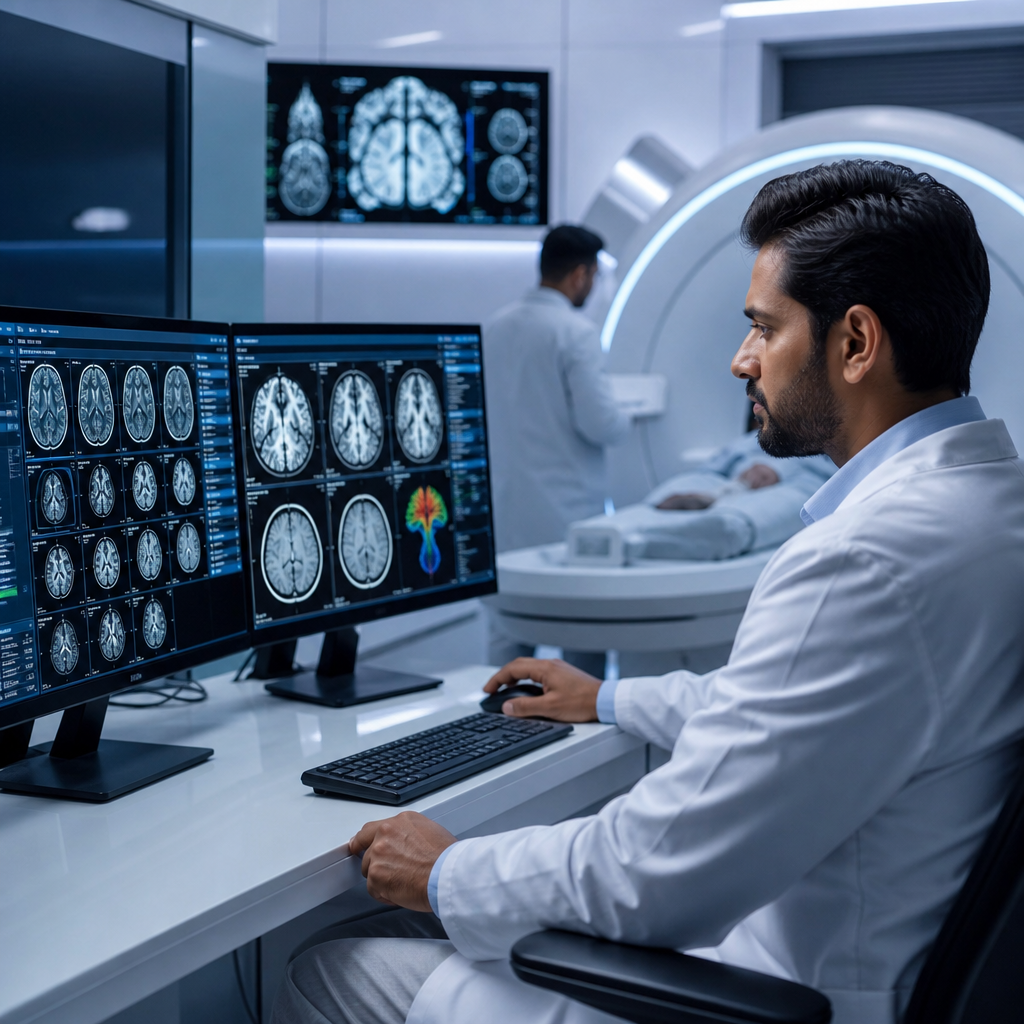
One of the persistent challenges in surgical oncology is ensuring complete tumor removal — achieving what surgeons call “clear margins.” Intraoperative imaging technologies, including fluorescence-guided surgery and real-time MRI, are helping surgeons visualize tumor boundaries with greater accuracy during the procedure itself. These tools reduce the likelihood of residual disease and the need for repeat operations, both of which have significant implications for patient outcomes and healthcare resource utilization.
Digital Health Infrastructure and Its Role in Oncology
Behind every successful cancer treatment program is a robust digital infrastructure that supports clinical decision-making, care coordination, and patient engagement. Electronic health records, patient relationship management systems, and behavioral health platforms are increasingly being integrated into oncology workflows to ensure that no aspect of a patient’s care falls through the cracks. Understanding how EHR software, behavioral health tools, and patient relationship management systems improve patient care is essential for any institution serious about delivering comprehensive oncology services.
In oncology specifically, these digital tools serve a critical function. Cancer patients often navigate complex, multi-modal treatment regimens that span months or years. Coordinating appointments across medical oncology, radiation oncology, surgery, nutrition, psychology, and palliative care requires seamless communication and data sharing. When digital systems are properly integrated, care teams can respond more quickly to changes in a patient’s condition, flag potential drug interactions, and ensure that psychosocial support is offered proactively rather than reactively.
Telemedicine and Remote Monitoring in Cancer Follow-Up
The expansion of telemedicine has been particularly meaningful for cancer survivors who require long-term follow-up care. Rather than traveling to a hospital for every routine check-in, patients can now engage with their care teams remotely, submitting symptom reports, reviewing lab results, and discussing concerns via secure video consultations. Remote monitoring devices that track vital signs, activity levels, and medication adherence are further extending the reach of oncology care beyond the clinic walls.
Cleveland Clinic Abu Dhabi Cancer Institute: A Center of Excellence in the Region
Among the institutions leading this transformation in the Middle East, Cleveland Clinic Abu Dhabi stands out as a benchmark for comprehensive, patient-centered oncology care. As a cancer hospital that brings together internationally trained specialists, advanced diagnostic technologies, and evidence-based treatment protocols, it offers patients in the region access to a standard of care that rivals the world’s foremost oncology centers. The institution’s multidisciplinary tumor boards, clinical trial access, and integration of supportive care services reflect a holistic philosophy that addresses not just the disease, but the whole person.
What distinguishes truly exceptional cancer hospitals is not any single technology or treatment modality, but the ability to bring all of these elements together in a coordinated, patient-focused system. From initial diagnosis through active treatment and into survivorship, every touchpoint in the patient journey matters — and the best institutions design their care models with that full continuum in mind.
The Future of Cancer Care
Looking ahead, the trajectory of cancer care points toward even greater personalization, earlier detection, and more effective interventions with fewer side effects. Liquid biopsies — blood tests capable of detecting circulating tumor DNA — are emerging as powerful tools for early cancer detection and treatment monitoring. Artificial intelligence is being applied to radiology, pathology, and drug discovery in ways that are accelerating the pace of clinical progress. And as our understanding of the tumor microenvironment deepens, new therapeutic strategies targeting the immune system and the cancer’s supporting cellular architecture are entering clinical trials.
The convergence of these advances — molecular medicine, surgical innovation, digital health, and artificial intelligence — is creating a new era in oncology. Patients today have access to options that simply did not exist a decade ago, and the pace of progress shows no signs of slowing. For those navigating a cancer diagnosis, choosing a hospital that is at the forefront of this evolution is one of the most consequential decisions they will make.
Conclusion
Modern cancer care is defined by its complexity, its precision, and its humanity. The best outcomes emerge not from any single breakthrough, but from the thoughtful integration of advanced science, skilled clinical teams, and supportive infrastructure. As technology continues to evolve and our biological understanding of cancer deepens, the institutions that invest in all of these dimensions — and that place the patient at the center of every decision — will define what excellent oncology care looks like for the next generation.