Finding the Right Leggings for Different Workout Routines
Workout clothing should support movement rather than distract from it. Whether someone practices yoga, attends a fitness class, walks outdoors, or exercises at home, clothing comfort can influence how easily they complete their routine.
Leggings are a popular choice because they are available in different fabrics, lengths, waistbands, and levels of stretch. The most suitable option depends on the activity, personal preferences, and the conditions in which the clothing will be used.
Match Clothing to Your Workout
Different activities place different demands on sportswear. Yoga often includes controlled movement, stretching, balance, and positions that require a comfortable range of motion.
Strength training may involve repeated squats, lunges, and changes in body position. Walking may place greater emphasis on general comfort and fabric breathability, while outdoor exercise can require consideration of temperature and weather.
Before buying, think about the movements involved in the intended activity. Clothing that feels comfortable during a short fitting may behave differently during a full workout.
Look for Suitable Stretch and Recovery
Stretch helps a garment move with the body, while recovery describes how well the material returns to its original shape after being stretched.
Activewear fabrics commonly use a blend of fibers to balance stretch, softness, and durability. The best blend depends on the product’s design and intended purpose.
When comparing yoga leggings, shoppers should review the fabric composition and care instructions to understand what the garment is designed to offer. They should also consider whether the fit allows comfortable movement without excessive pulling or slipping.
A garment that continually needs adjustment may not be suitable for the activity, regardless of how attractive it looks.
Consider Waistband Stability
The waistband plays an important role in how leggings fit during exercise. It should remain comfortable when the wearer bends, stretches, or changes position.
A wide waistband may distribute pressure differently from a narrow one, but personal comfort varies. The correct rise and size are also important.
Shoppers should check sizing information and, when possible, test the garment through a few ordinary movements. The fabric should not create uncomfortable pressure or slide down during use.
Think About Breathability and Moisture
Exercise can produce heat and perspiration, making fabric choice important. Some activewear materials are designed to move moisture away from the skin, while others emphasize softness or a cotton-like feel.
No single fabric works best for everyone. People exercising in warm environments may prioritize lightweight construction, while those exercising outdoors in cooler conditions may prefer a different weight.
Product descriptions should be checked for relevant features rather than relying on broad claims alone.
Choose the Right Length
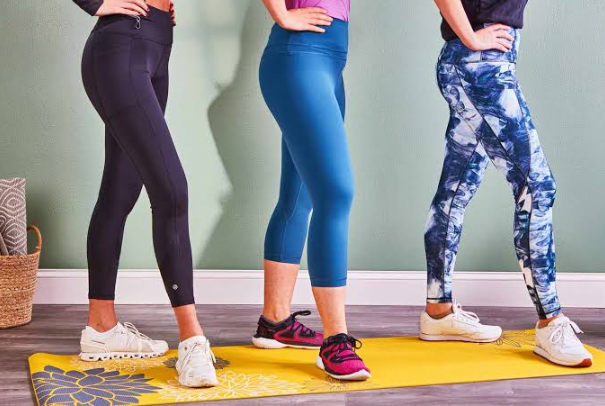
Leggings are available in full-length, cropped, and shorter designs. Full-length options provide more coverage, while cropped designs may feel more comfortable in warm conditions.
Length also affects how the garment works with shoes and other workout clothing. Shoppers should consider their usual activities and personal preferences rather than assuming one style is suitable for every occasion.
Check Durability and Construction
Seams, stitching, elastic, and fabric thickness influence how a garment performs over time. Repeated washing and stretching can reveal weaknesses that are not obvious when the product is new.
Care labels should be followed to protect the garment’s shape and elasticity. Avoiding excessive heat when it is not permitted can help preserve certain synthetic fibers.
A useful approach is to evaluate construction details alongside the price and expected frequency of use.
Select Colors and Designs That Work for You
Appearance matters because people often prefer clothing that matches their personal style. Neutral colors may coordinate easily with different tops, while patterns can make workout outfits more distinctive.
However, shoppers should also consider practical features such as opacity, fit, and how the fabric behaves during movement. Style should complement comfort rather than replace it.
Make a Practical Purchase
Before ordering, check the size chart, return policy, product composition, and intended use. If reviews are available, look for specific information about fit and fabric rather than relying only on overall ratings.
A garment that is suitable for one person may fit another differently, so measurements and product details remain important.
Conclusion
Choosing leggings for exercise involves balancing fit, stretch, comfort, breathability, durability, and style. By considering the actual movements involved in a workout and checking the product’s specifications, shoppers can select activewear that better supports their routine.