Designing a Bedroom for Sleep: Materials, Layout, and the Furniture That Lasts
What the Bedroom Actually Does
The bedroom is simultaneously one of the most used rooms in a home and one of the least carefully designed. We spend roughly a third of our lives there, yet the decisions made about its furniture — the bed frame, the wardrobes, the bedside surfaces — are often made quickly, based on what is available rather than what genuinely serves the room.
The environment in which you sleep affects the quality of that sleep, and the furniture that structures the room shapes the environment. Closing that gap between how much we use the bedroom and how much thought we give it is worth the effort
The Bed Frame as the Room’s Anchor
No single piece of furniture dominates a bedroom as consistently as the bed frame. Its dimensions, height, headboard design, and material set the visual register for everything else in the space. Among the material options, oak has maintained its appeal across decades for reasons that go beyond aesthetics. An oak bed frame brings natural grain variation, structural solidity, and a warmth that works across a range of interior styles — from the spare Scandinavian to the more layered English country look. Unlike painted MDF alternatives, solid oak develops character over time rather than simply wearing.
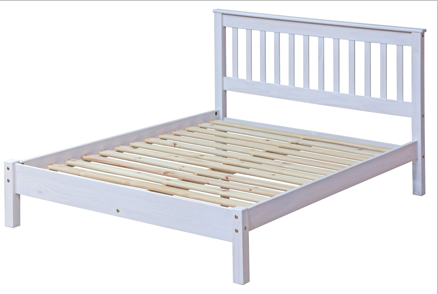
A tall upholstered headboard creates a sense of grandeur and softness; a low-profile platform bed reads as modern and minimal; a slatted wooden frame suggests something warmer and more traditional. The choice of frame shapes the room’s atmosphere as much as any decorating decision.
See also: Mutf_In: Sbi_Life_1d4zdz0
Scale and Room Proportions
One of the most persistent mistakes in bedroom design is choosing a bed too large for the room. A king-size frame in a 10 by 12 foot bedroom leaves so little circulation space that the room feels difficult to move through, undermining any sense of restfulness. As a rough guide, there should be at least 60 cm of clearance on each side of the bed and at the foot.
In smaller rooms, a double frame with a low headboard or slatted design can achieve a similarly spacious feeling by keeping the visual weight of the furniture lower and lighter. Storage beds — those with lift-up ottoman bases or integrated drawers — are worth considering in rooms where wardrobe space is limited.
Mattress Compatibility and Foundation
Bed frames and mattresses form a system, and treating them as independent purchases leads to unnecessary problems. A sprung slat base provides active support that can extend mattress life; a solid platform base offers firm, uniform support suited to foam and latex mattresses; a fixed slat base is the most common middle ground, appropriate for most pocket-sprung and hybrid mattresses.
Slat gap matters: gaps wider than about 7 cm can allow memory foam to sink through over time, reducing the mattress’s effective lifespan. Confirming the slat specification before purchase avoids compatibility issues that would otherwise only surface months after the mattress has settled.
Lighting and the Sleep Environment
The bed frame defines the zone of sleep, but the broader bedroom environment determines whether that sleep is restorative. Blackout curtains or blinds are one of the most evidence-backed interventions for improving sleep quality, particularly in urban areas or for those who wake early with summer light.
Bedside lighting — controllable, warm-toned, and positioned at approximately eye level when seated in bed — allows reading and winding down without the sleep-disrupting effect of overhead fluorescent or cool-white LEDs. Dimmable lamps with bulbs in the 2,700–3,000 Kelvin range are the standard recommendation from sleep researchers.
Wardrobes and the Wider Layout
Once the bed is positioned, wardrobes and storage typically claim the remaining wall space. Built-in wardrobes maximise volume and minimise floor interruption; freestanding pieces offer flexibility. In rooms where the ceiling height varies or the walls are uneven — common in period properties — freestanding is often the more practical choice.
A coherent bedroom does not require identical furniture throughout, but it does require a consistent material story. Mixing too many finishes within a small space creates visual noise that is difficult to resolve with accessories.
Buying for the Long Term
Bedroom furniture benefits more than most from being bought with longevity in mind. A bed frame will be moved, reassembled, and lived with through multiple home changes for most people. Solid wood construction with mortise-and-tenon or bolt-together joinery outperforms flat-pack chipboard on every dimension of longevity — the price difference is real, but so is the difference between furniture you replace once and furniture you replace three times.