What Makes a 10 Inch Drop Point Hunting Knife Different from Other Blade Designs?
Choosing a hunting knife involves more than selecting an attractive blade. Its shape, size, handle material, and overall construction all influence how it feels and performs during outdoor use. Among the many available designs, the drop point hunting knife remains a recognizable option because of its curved spine, controlled tip, and versatile blade profile.
A 10-inch drop point hunting knife stands out because it combines a larger overall size with a blade shape commonly associated with general-purpose outdoor and hunting applications. However, its dimensions and design also make it different from compact hunting knives, clip point blades, trailing point knives, and other fixed-blade styles.
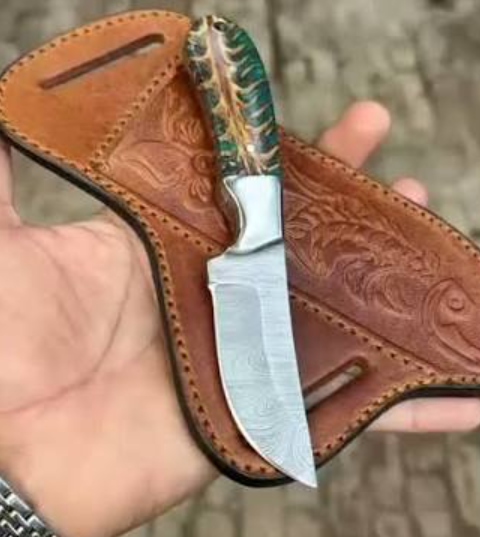
For enthusiasts interested in traditional materials and distinctive patterns, the 10 inch Damascus hunting knife with a drop point blade and olive wood handle from JW Steel Crafts is an example of this style. Understanding the design helps buyers decide whether a larger drop point knife matches their preferences and intended needs.
What Is a Drop Point Hunting Knife?
A drop point knife has a spine that gradually curves downward toward the tip. Instead of having a sharply clipped section or an upward-sweeping point, the blade follows a smooth, convex curve.
This creates a recognizable profile that distinguishes drop point knives from several other common blade designs.
Some characteristics include:
- A spine that slopes toward the point.
- A tip positioned along the blade’s central profile.
- A curved cutting edge, depending on the blade geometry.
- A practical balance between the blade’s belly and tip shape.
- A design commonly found in fixed-blade hunting knives.
The shape is popular among outdoor enthusiasts because it offers a useful combination of cutting-edge length and tip control. However, the actual performance depends on the blade’s thickness, grind, steel, and construction—not just its outline.
Why Is a 10-Inch Drop Point Hunting Knife Different?
Blade size can significantly influence a knife’s handling and intended applications. A 10-inch knife is considerably larger than many compact hunting knives, although buyers should check whether a product’s stated measurement refers to the overall length or the blade length.
A larger knife may appeal to people who prefer substantial fixed-blade designs, traditional outdoor equipment, and distinctive collectible pieces.
1. A Larger Overall Profile
A 10-inch overall knife can provide a more substantial appearance than compact fixed-blade alternatives. Its proportions may appeal to collectors who prefer larger traditional hunting knife designs.
However, a larger knife is not automatically more practical. Weight, balance, handle dimensions, and blade thickness all affect comfort and control.
2. A Recognizable Curved Spine
The defining feature of the drop point design is its downward-curving spine. This creates a controlled-looking tip profile and distinguishes it from knives with sharply clipped or upward-sweeping points.
For buyers comparing blade shapes, this is one of the easiest visual differences to identify.
3. A Distinctive Blade Belly
The blade belly refers to the curved section of the cutting edge. Its size and shape influence how the knife handles slicing tasks.
Drop point designs commonly feature a useful belly, although the amount of curvature varies between models. Buyers should examine the actual blade profile rather than assuming all drop point knives have identical cutting characteristics.
4. Traditional Fixed-Blade Appearance
Large drop point knives often have a traditional outdoor appearance. When combined with patterned steel and natural wood handles, they can also become attractive additions to a knife collection.
Their visual appeal is one reason some enthusiasts prefer them over smaller, more modern-looking designs.
Drop Point vs. Other Hunting Knife Blade Designs
Understanding how a drop point compares with other blade styles can make purchasing decisions easier. Different shapes have different characteristics, and no single design is ideal for every situation.
Drop Point vs. Clip Point
A clip point blade has a section of its spine that curves or angles toward the tip, creating a more pointed profile. A drop point blade instead has a gradual downward curve.
Key differences include:
- Drop point: Features a smooth, convex spine curve toward the tip.
- Clip point: Has a clipped or recessed-looking spine near the tip.
- Appearance: Drop points generally look fuller near the tip, while clip points often appear narrower and more sharply defined.
- Selection: Buyers should compare the intended cutting tasks, blade geometry, and personal handling preferences.
Drop Point vs. Trailing Point
A trailing point blade has an upward-curving spine that places the tip above the main line of the blade. This shape often creates a large curved cutting edge.
A drop point has the opposite visual direction, with its spine descending toward the point.
Trailing point designs are commonly associated with slicing-oriented profiles, while drop point knives offer a different balance between tip placement and blade belly.
Drop Point vs. Straight Back
A straight-back knife generally has a spine that remains relatively straight before reaching the point. The cutting edge may curve upward toward the tip.
Compared with this design, a drop point has a more noticeable downward spine curve. The difference affects the blade’s appearance and overall geometry.
Drop Point vs. Tanto
A tanto-style blade typically features a more angular point and a distinct transition between its main cutting edge and tip section.
A drop point has a smoother, rounded spine transition instead. These designs offer very different appearances and should be evaluated according to their intended applications.
Why Damascus Steel Adds a Distinctive Appearance
Steel selection is another important consideration when comparing hunting knives. Damascus steel is particularly recognizable because of its layered, flowing patterns.
Modern Damascus blades are generally produced by forge-welding layers of steel and manipulating them to create decorative patterns. These can vary from flowing waves to more intricate designs.
Understanding the Damascus Pattern
The pattern is one of the most noticeable characteristics of a Damascus blade. It gives each knife a distinctive visual appearance and can make it appealing to collectors who appreciate traditional metalworking aesthetics.
However, a Damascus pattern does not automatically guarantee superior strength, sharpness, or edge retention. Those qualities depend on the actual steel composition, heat treatment, blade geometry, and workmanship.
What Buyers Should Check
Before purchasing a Damascus hunting knife, consider:
- Whether the seller provides clear information about the steel.
- The quality and consistency of the blade finish.
- The overall grind and edge geometry.
- The handle construction and fit.
- Available care and maintenance instructions.
A visually attractive pattern should be considered alongside the knife’s actual construction.
Olive Wood Handles: A Traditional Choice for Hunting Knives
Handle material contributes to both the appearance and handling experience of a fixed-blade knife. Olive wood is appreciated for its natural grain and distinctive coloring.
Its patterns can range from lighter golden tones to darker brown markings, giving each handle a natural appearance.
Natural Grain and Appearance
Unlike synthetic materials with uniform finishes, natural wood can display individual grain variations. This makes olive wood appealing to buyers who appreciate traditional knife styling.
Handle Comfort and Fit
A handle should feel comfortable and secure in the user’s hand. Its shape, thickness, surface finish, and overall dimensions matter more than appearance alone.
When comparing olive wood handle knives, examine the handle carefully and consider whether its size and shape suit your grip.
Wood Handle Maintenance
Natural wood benefits from sensible care. Avoid prolonged exposure to water, dry the handle after cleaning, and follow the manufacturer’s maintenance recommendations.
A knife should also be stored in a dry place to help protect both its handle and blade.
What to Consider Before Buying a 10-Inch Hunting Knife
A larger hunting knife may look impressive, but choosing the right model requires careful comparison. Buyers should consider more than the blade’s length or decorative pattern.
Overall Length and Blade Length
Always check the manufacturer’s measurements. A 10-inch overall knife is different from a knife with a 10-inch blade.
The distinction affects portability, handling, and storage requirements.
Weight and Balance
A larger knife may feel heavier than a compact alternative. Balance also affects how comfortably it can be held and controlled.
If possible, consider the knife’s weight and handle dimensions before purchasing.
Blade Geometry
The drop point profile is only one part of the design. Blade thickness, grind, edge angle, and overall geometry influence cutting characteristics.
Look for clear product information rather than relying entirely on the blade shape.
Handle Material
Olive wood, rosewood, synthetic composites, and other materials offer different appearances and maintenance requirements.
Choose a handle that suits your preferences and provides a comfortable grip.
Storage and Safe Handling
Check whether the knife includes a suitable sheath or protective storage option. A fixed blade should be stored securely, away from children and unauthorized users.
Always follow safe handling practices and applicable local laws when transporting or using a hunting knife.
Exploring Traditional Hunting Knife Designs at JW Steel Crafts
Knife enthusiasts often look for designs that combine recognizable blade profiles with distinctive materials. Damascus patterns and natural wood handles can give a fixed-blade hunting knife a traditional appearance that stands out in a collection.
JW Steel Crafts offers a range of knife designs for collectors and outdoor enthusiasts. Its 10 inch Damascus hunting knife features a drop point profile and olive wood handle, bringing together two design elements that appeal to buyers who appreciate traditional-looking fixed blades.
When exploring a hunting knife collection, it is worth comparing the blade profile, dimensions, handle construction, and available product details before making a decision.
You can discover more traditional knife designs and other products by visiting the official JW Steel Crafts website.
How to Maintain a Damascus Hunting Knife
Proper care helps preserve a knife’s appearance and condition. Damascus blades may require particular attention depending on the steels used in their construction.
Clean the Blade After Use
Remove dirt, moisture, and residue after handling the knife. Use an appropriate cleaning method recommended by the manufacturer.
Dry It Thoroughly
Do not leave the blade wet or store it while moisture remains on its surface. This is especially important when the blade contains carbon steel.
Apply Suitable Protective Oil
A light application of suitable protective oil can help protect a blade against moisture and corrosion. Follow the manufacturer’s guidance and keep any maintenance products away from food-contact surfaces unless they are specifically food-safe.
Protect the Wooden Handle
Keep the olive wood handle clean and dry. Avoid soaking it or exposing it to extreme changes in moisture and temperature.
Store It Securely
Use a suitable sheath or protective storage solution if supplied. Keep the knife in a dry, secure location and check it periodically for signs of corrosion or damage.
Is a 10-Inch Drop Point Hunting Knife the Right Choice?
The right hunting knife depends on the buyer’s intended use, experience, and personal preferences.
A larger drop point design may appeal to collectors and people who prefer substantial fixed-blade knives. Its curved spine gives it a recognizable profile, while a Damascus pattern and olive wood handle can add traditional visual character.
However, a 10-inch overall knife may be less convenient to carry than a compact hunting knife. Buyers who prioritize portability or precise handling may prefer a smaller model.
Before choosing, compare the actual dimensions, weight, blade geometry, steel information, and handle comfort. Selecting a knife based on its real specifications is more useful than choosing by appearance alone.
See Also: PHP Flaw Security Guide for UK Small Businesses
Conclusion
A 10-inch drop point hunting knife differs from other blade designs through its downward-curving spine, recognizable tip profile, and substantial overall proportions. Compared with clip point, trailing point, straight-back, and tanto designs, it offers a distinct appearance that appeals to many outdoor enthusiasts and collectors.
Materials also influence a knife’s character. Damascus steel provides a distinctive layered pattern, while an olive wood handle adds natural grain and traditional styling. Still, overall quality depends on construction, steel composition, heat treatment, and proper maintenance.
For buyers exploring traditional fixed-blade designs, comparing these details can help identify a hunting knife that matches their preferences and intended requirements.
Frequently Asked Questions
1. What is the main feature of a drop point hunting knife?
Its defining feature is a spine that curves downward toward the tip. This creates a recognizable blade profile that differs from clipped and upward-sweeping designs.
2. Is a 10-inch drop point hunting knife suitable for beginners?
It depends on the knife’s actual dimensions, weight, and handling characteristics. A larger knife may feel less manageable than a compact model, so beginners should prioritize comfortable handling and safe storage.
3. What is the difference between a drop point and a clip point knife?
A drop point has a smooth downward-curving spine, while a clip point has a clipped or recessed section near the tip. The two designs have noticeably different profiles.
4. Why are Damascus hunting knives popular with collectors?
Collectors often appreciate their distinctive layered patterns and traditional appearance. However, the pattern itself does not guarantee better cutting performance or steel quality.
5. Are olive wood handles suitable for hunting knives?
Olive wood offers a natural grain and traditional appearance. Like other wooden handles, it should be kept clean and dry and maintained according to the manufacturer’s instructions.
6. Does a 10-inch knife mean the blade is 10 inches long?
Not necessarily. The measurement may refer to the knife’s overall length, including the handle. Always check the product listing for separate blade and handle measurements.
7. How should a Damascus hunting knife be stored?
Clean and dry the blade before storage. Use a suitable protective sheath if available and keep the knife in a dry, secure location.
8. Is a drop point hunting knife better than other blade designs?
No single blade design is best for every situation. A drop point may suit buyers who prefer its particular profile, while other blade shapes may better match different tasks and handling preferences.