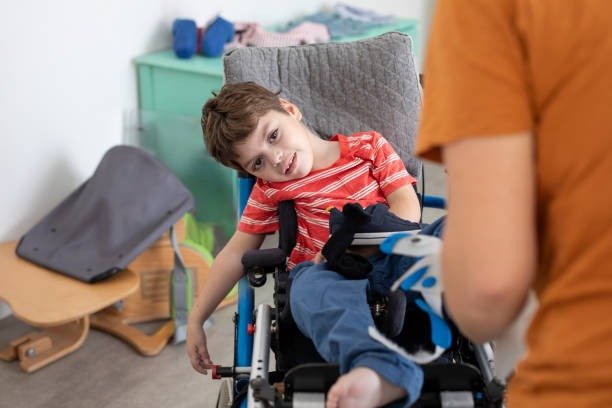
Why Is Early Understanding of Cerebral Palsy Important for Long-Term Support?
Early understanding of cerebral palsy is crucial for families, caregivers, and professionals in providing effective, long-term support. Cerebral palsy (CP) is a lifelong neurological condition that affects movement, muscle tone, coordination, and sometimes cognition. While there is no cure, early knowledge of the condition allows for timely interventions, informed decision-making, and planning that can significantly improve quality of life. Understanding CP from the outset helps families and individuals navigate therapies, education, social support, and long-term care options more effectively.
Recognizing Cerebral Palsy Early
Early recognition of cerebral palsy symptoms is the first step in ensuring appropriate support. Common signs in infants and young children include delayed motor milestones, abnormal muscle tone (either stiff or floppy), poor coordination, and difficulty with feeding or speech. Early recognition allows healthcare professionals to conduct diagnostic assessments and determine the type and severity of CP.
Identifying cerebral palsy early is essential because it provides the foundation for developing a comprehensive care plan. Families can work with pediatricians, therapists, and specialists to implement interventions that target the child’s specific needs, helping to maximize developmental potential.
The Role of Early Intervention
Early intervention is a critical component of effective long-term support for children with cerebral palsy. Interventions may include physical therapy, occupational therapy, speech therapy, and specialized educational programs. Starting these therapies as soon as a diagnosis is confirmed can improve mobility, communication, and daily living skills.
For example, physical therapy can address muscle stiffness, improve coordination, and prevent secondary complications like contractures. Occupational therapy helps children develop fine motor skills, adapt to their environment, and perform daily tasks independently. Speech therapy supports communication and feeding skills. Early access to these services ensures that children with cerebral palsy build a strong foundation for independence and overall development.
Planning for Educational Needs
Understanding cerebral palsy early also allows families to make informed decisions about education. Children with CP often benefit from individualized education plans (IEPs) that accommodate their physical, cognitive, and communication needs. Early knowledge of the condition enables families to work with schools to implement adaptations such as assistive technology, modified learning materials, or in-class support from specialized educators.
By establishing educational accommodations early, children with cerebral palsy can participate fully in learning activities, develop essential academic skills, and build confidence. This early support lays the groundwork for long-term educational success and social inclusion.
Supporting Social and Emotional Development
Early understanding of cerebral palsy is not limited to physical and cognitive interventions. Emotional and social development is equally important. Children with CP may experience frustration, isolation, or low self-esteem if they struggle to communicate or participate in social activities. Families who understand the condition can proactively support social engagement, emotional wellbeing, and peer interactions.
Programs such as social skills groups, recreational therapy, and inclusive community activities provide opportunities for children with cerebral palsy to build friendships and develop confidence. Early awareness allows families to integrate these supports alongside medical and educational interventions, promoting holistic development.
Accessing Community and Healthcare Resources
Early understanding of cerebral palsy enables families to navigate available healthcare and community resources more effectively. This includes finding specialists, therapists, support groups, and adaptive equipment providers. Families who are informed can advocate for timely referrals, ensure access to appropriate interventions, and secure necessary funding or insurance support.
Community resources, such as disability advocacy organizations, recreational programs, and caregiver support groups, play a vital role in long-term planning. Early engagement with these services ensures families have guidance, information, and support to make decisions that benefit their child throughout life.
See also: Top Nutrition Tips for a Stronger, Healthier Body
Planning for Long-Term Care and Independence
A thorough understanding of cerebral palsy from an early stage helps families plan for long-term care and future independence. This includes identifying the need for assistive devices, mobility aids, and potential modifications to living spaces. For adolescents and adults, early planning may involve supported independent living arrangements, vocational training, or transition programs.
By anticipating challenges and creating a structured plan, families can help individuals with cerebral palsy develop skills for self-care, decision-making, and community participation. This forward-thinking approach enhances autonomy, quality of life, and long-term wellbeing.
Reducing Stress and Building Confidence for Families
Early understanding of cerebral palsy also benefits families and caregivers by reducing uncertainty and stress. Knowledge empowers families to make informed decisions about therapies, educational interventions, and social supports. It provides a roadmap for navigating complex medical and social systems, fostering confidence in managing care and advocating for their child’s needs.
Families who are well-informed from the start are better equipped to provide consistent, proactive support, which directly improves outcomes for the child with cerebral palsy.
Conclusion
Early understanding of cerebral palsy is essential for maximizing long-term support and ensuring positive outcomes. Recognizing symptoms, initiating early interventions, planning for education, supporting social and emotional development, and accessing community resources all contribute to better quality of life.
Families who engage with healthcare professionals, therapists, educators, and community organizations from the outset can make informed decisions, reduce stress, and build a supportive environment for their child. Early knowledge of cerebral palsy lays the foundation for long-term independence, skill development, and social inclusion, helping individuals with CP reach their full potential throughout life.