Advances and Applications of Hypodermic Needles in Modern Healthcare
Hypodermic needles are among the most essential tools in modern medicine, providing a precise and effective method for delivering medications, vaccines, and other therapeutic substances. Over time, the industry surrounding hypodermic needles has evolved significantly, driven by the need for improved safety, efficiency, and patient comfort. Understanding the different types, applications, and sizes of hypodermic needles is crucial for healthcare providers and patients alike.
What is a Hypodermic Needle?
A hypodermic needle is a thin, hollow instrument designed to pierce the skin and deliver fluids directly into the body’s tissues, veins, or muscles. It consists of three main components: the hub, which connects to a syringe; the shaft, which is the hollow tube allowing fluid passage; and the bevel, the angled tip that facilitates smooth insertion. The quality and design of a hypodermic needle significantly influence its effectiveness, safety, and patient comfort during medical procedures.
Importance of Hypodermic Needle Sizes
One of the most critical factors in selecting a hypodermic needle is its size. Hypodermic needle sizes determine the gauge (thickness) and length of the needle, which in turn affect the speed of fluid delivery, pain level, and suitability for different types of injections.
Healthcare professionals select needle sizes based on multiple factors, including the type of medication, the route of administration (intravenous, intramuscular, or subcutaneous), and the patient’s age and body type. Using the correct hypodermic needle sizes ensures safe and effective treatment, minimizes tissue damage, and reduces patient discomfort.
Common Applications of Hypodermic Needles
Hypodermic needles are versatile instruments used in a wide range of medical procedures.
Vaccinations and Immunizations
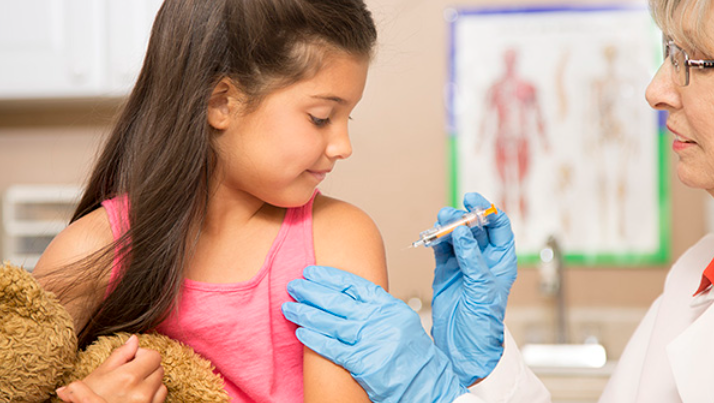
Vaccines are one of the most common applications of hypodermic needles. The needle must be appropriate for the patient’s age and body type to ensure the vaccine is delivered effectively into the correct tissue layer. Proper needle selection can prevent pain, bruising, or ineffective immunization.
Medication Administration
Certain medications require direct administration into the bloodstream or muscle for rapid therapeutic effect. Hypodermic needles allow healthcare providers to deliver insulin, antibiotics, pain relief drugs, and other medications with precision and efficiency.
Blood Sampling and Laboratory Tests
Hypodermic needles are used to collect blood samples for diagnostic purposes. Accurate sampling depends on the right needle size and technique, which ensures reliable laboratory results and proper diagnosis.
Intravenous Therapy
Intravenous therapy, including fluid replacement and electrolyte administration, requires hypodermic needles of specific lengths and gauges. Correct selection ensures safe access to veins while minimizing complications like infiltration or phlebitis.
Research and Clinical Studies
In research settings, hypodermic needles are essential for administering experimental medications, drawing samples, and performing controlled clinical studies. Precision and sterility are critical in these contexts to maintain validity and safety.
Types of Hypodermic Needles
The industry produces hypodermic needle sizes of hypodermic needles designed for specific clinical applications:
Standard Hypodermic Needles
These needles are used for routine injections, blood draws, and intravenous therapy. They come in various hypodermic needle sizes to accommodate different patients and procedures.
Safety-Engineered Needles
Safety needles feature retractable tips or protective shields that reduce the risk of accidental needle-stick injuries. They are increasingly used in hospitals and clinics to enhance healthcare worker safety.
Insulin Needles
Insulin needles are short and ultra-thin, designed to minimize discomfort for diabetic patients who require frequent subcutaneous injections. Their specialized design ensures accurate dosing and consistent absorption.
Specialty Needles
Specialty hypodermic needles include spinal needles, biopsy needles, and multi-dose needles for surgical, diagnostic, or research purposes. They provide precision for complex medical procedures.
See also: Mindfulness: A Key Tool for Mental Health
Choosing the Right Hypodermic Needle Size
Selecting the appropriate hypodermic needle size depends on several factors:
- Route of Administration: Intravenous injections require smaller gauge needles, while intramuscular injections may need longer and thicker needles.
- Patient Characteristics: Age, body weight, and muscle mass influence the choice of needle length and gauge. Pediatric and elderly patients often require shorter, finer needles.
- Viscosity of Medication: Thicker medications may require larger gauge needles to allow smooth delivery.
- Volume of Injection: Larger volumes of fluid may necessitate longer or wider needles for proper administration.
Healthcare providers rely on tables of hypodermic needle sizes and their recommended uses to ensure optimal treatment outcomes.
Advantages of Using Hypodermic Needles
Hypodermic needles offer several key benefits in healthcare:
- Precision: Hypodermic needles enable exact dosing and targeted delivery of medications, reducing the risk of complications.
- Rapid Effect: By bypassing the digestive system, medications administered via hypodermic needles act quickly, which is critical in emergencies.
- Versatility: Hypodermic needles can be used for a variety of procedures, including injections, blood draws, intravenous therapy, and research.
- Safety Innovations: Modern designs incorporate safety features to reduce the risk of injury and infection.
Challenges and Considerations
While hypodermic needles are indispensable, they present certain challenges:
- Needle-Stick Injuries: Accidental punctures can pose risks to healthcare workers, emphasizing the importance of safety-engineered needles.
- Patient Anxiety: Needle phobia and pain may affect compliance, particularly among children and patients with chronic conditions.
- Medical Waste: Single-use needles contribute to biomedical waste, requiring proper disposal to prevent environmental contamination.
- Training Requirements: Proper technique and knowledge of hypodermic needle sizes are essential to avoid dosing errors, tissue damage, or infections.
Innovations in the Hypodermic Needle Industry
The hypodermic needle industry continues to innovate to enhance safety, comfort, and efficiency:
Ultra-Thin Needles
Advances in manufacturing have led to ultra-thin needles that reduce insertion pain and tissue trauma, improving patient comfort during frequent injections.
Safety Features
Retractable needles, protective shields, and color-coded hubs minimize accidental injuries and improve safety for healthcare workers.
Eco-Friendly Materials
Biodegradable and recyclable needles are being developed to reduce the environmental impact of single-use medical devices.
Integration with Smart Devices
Modern hypodermic needles are increasingly integrated with automated delivery systems that track dosage, patient data, and administration times, ensuring accuracy and reducing human error.
Market Trends and Future Outlook
The global hypodermic needle market is projected to grow steadily due to:
- Expansion of vaccination programs worldwide.
- Rising prevalence of chronic diseases such as diabetes and cardiovascular conditions.
- Increased focus on patient safety and healthcare worker protection.
- Adoption of advanced needle designs and automated administration systems.
Future trends include wider use of ultra-thin and safety-engineered needles, eco-friendly manufacturing, and integration with smart medical devices to enhance patient care and clinical efficiency.
Conclusion
Hypodermic needles are vital tools in modern medicine, offering precise, rapid, and versatile methods for administering medications, vaccines, and other therapeutic substances. Choosing the correct hypodermic needle sizes ensures safety, comfort, and optimal treatment outcomes.
With ongoing innovations in safety, comfort, and sustainability, the hypodermic needle industry continues to evolve, supporting healthcare providers in delivering effective treatments while minimizing risks. As medical technology advances, hypodermic needles will remain essential instruments in both routine and specialized healthcare practices.