Desktop CNC Routers Meet Compact Laser Engravers: TTC Series and TS2 Compared
The desktop digital fabrication revolution offers makers, woodworkers, and small business owners unprecedented manufacturing capabilities. Today, creating intricate 3D reliefs, custom wooden signage, acrylic displays, or branded leather goods no longer requires massive industrial floor space.
When outfitting a modern workshop, buyers often compare two leading desktop platforms: subtractive CNC routers and optical diode laser engravers.
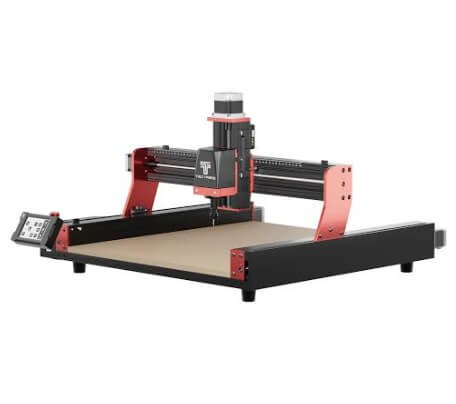
Twotrees addresses both fabrication methods with the heavy-duty TTC Series and the high-output TS2 Series. This guide compares frame mechanics, material removal methods, processing speeds, and project capabilities to help you choose the ideal platform for your shop.
Core Technical Comparison: TTC Series vs. TS2 Series
| Feature / Specification | Twotrees TTC Series | Twotrees TS2 Series |
| Manufacturing Method | Subtractive Mechanical Carving | Thermal Photonic Beam Processing |
| Tooling Element | High-RPM Spindle Motor & Carbide Bits | High-Output Diode Laser Module |
| Material Motion Axes | X,Y,Z (Linear Leadscrews / Guide Rails) | X,Y (High-Speed Belt Drive) + Motorized Z |
| 3D Capabilities | Full 3D Reliefs, Pockets, & Contours | 2D Vector Cutting & Surface Engraving |
| Primary Material Strengths | Thick Hardwoods, Soft Metals, Acrylic, MDF | Thin Plywood, Leather, Coated Metals, Cardboard |
| Physical Work Holding | Clamps, T-Tracks, or Spoilboard Screws | Friction / Gravity Placement (Non-Contact) |
Subtractive Power: The TTC Series Advantage
Subtractive CNC routers physically carve away material using high-speed rotating cutting bits. This mechanical approach is essential when your projects require depth, structural joinery, or 3D contours.
[Design File / G-Code] ──> [Rotary Spindle & Bit] ──> [Physical Material Removal] ──> 3D Carved Part
Key Advantages of the TTC Platform:
- Full 3D Relief & Mechanical Depth: Unlike flat laser beams, a CNC router carves varied depths, making it ideal for bowls, 3D topographical maps, mortise-and-tenon joinery, and pocketed enclosures.
- Heavy-Duty Frame Expansion: Upgrading to an expanded workspace model like the TTC6050 provides a massive cutting bed capable of handling large wooden panels, furniture components, and oversized commercial signs.
- Versatile Material Milling: A CNC router cuts cleanly through dense hardwoods (walnut, oak), brass, aluminum plates, and thick cast acrylic without thermal melting or charred edges.
Photonic Speed: The TS2 Series Advantage
Diode laser engravers use focused light beams to vaporize, burn, or score surfaces. Because the laser head never physically touches the material, there is zero mechanical resistance during operation.
[Vector / Raster File] ──> [Focused Optical Beam] ──> [Non-Contact Thermal Etch] ──> High-Detail Finish
Key Advantages of the TS2 Platform:
- High-Speed Surface Branding & Etching: Non-contact cutting allows the laser module to glide rapidly across surfaces, executing intricate raster photo engraving and fine vector scoring in minutes.
- Deep Single-Pass Vector Cuts: Equipping the open-frame chassis with a powerful 40W laser engraver module allows you to slice through thick craft plywood, acrylic sheets, and heavy leather in a single fast pass.
- Zero Clamping Requirements: Because the laser beam exerts no physical pushback against the workpiece, delicate materials like paper, cloth, and thin wood veneers remain perfectly still without heavy clamping rigs.
Material & Application Breakdown
Matching your machine selection to your core materials ensures maximum workshop efficiency:
┌──> Thick Hardwood / 3D Reliefs / Metals ──> TTC Series (Subtractive Router)
[Primary Material Goal] ──┤
└──> Fine Image Etching / Thin Sheet Vector Cuts ──> TS2 Series (Diode Laser)
- Hardwoods & MDF (10mm-50mm+): The TTC series carves deep 3D geometry without thermal burning. The TS2 cuts thin plywood (3mm-12mm) with dark, high-contrast edges.
- Leather & Textiles: The TS2 series engraves detailed logos and cuts custom leather patterns instantly. The TTC series is less suited for soft, flexible sheet stock.
- Non-Ferrous Metals (Aluminum & Brass): The TTC series mills aluminum plates using proper feeds and lubricants. The TS2 engraves coated, painted, or anodized metal surfaces but cannot perform true metal cutting.
See also: How to Advertise a Business on a Budget: Tips for Small Businesses
Final Verdict: Which Platform Belongs on Your Workbench?
Choose the TTC Series if:
- You build 3D carved products, wooden bowls, furniture joints, or aluminum enclosures.
- You need to work with thick stock where deep material removal is mandatory.
- You prefer clean cut edges without laser charring or smoke discoloration.
Choose the TS2 Series if:
- Your focus is on photo engraving, fine vector artwork, personalized leather goods, and custom giftware.
- You need rapid production speeds on flat sheet stock.
- You want a quiet, non-contact setup with minimal tool bit wear and maintenance.
Combining both platforms creates a complete desktop manufacturing suite—allowing you to route heavy structural parts on the TTC series and apply crisp surface branding with the TS2 laser.