Planning a Small Solar and Battery Setup for Everyday Energy Needs
A small solar and battery setup can help some households make better use of renewable electricity. However, the best system is not necessarily the one with the highest advertised capacity. A useful setup begins with a clear understanding of daily energy needs, the available sunlight, installation restrictions, and the equipment that the household wants to operate.
Planning these details before purchasing equipment can help avoid unnecessary costs and unrealistic expectations.
Start by Reviewing Your Electricity Use
Before comparing solar products, review how electricity is used throughout a typical day. Some devices operate continuously, while others are used only occasionally.
A router, phone charger, laptop, and LED lights may represent different levels of consumption depending on their power ratings and operating hours. Refrigerators, heaters, cooking appliances, and air conditioners may require considerably more energy.
A simple list of essential devices helps clarify the purpose of the proposed system. Residents should record the approximate power rating of each device and estimate how long it operates each day.
Multiplying the power rating in watts by operating hours gives an approximate energy figure in watt-hours. Adding these estimates provides a basic indication of daily demand, although actual usage can vary.
Assess the Available Solar Resource
Solar panels need sufficient sunlight to generate useful electricity. The output depends on the panel’s rated capacity, orientation, tilt, shading, weather, and local environmental conditions.
Balconies can provide a possible location for compact solar equipment, but they are not equally suitable. Nearby buildings, trees, balcony ceilings, and surrounding structures may reduce the amount of sunlight available.
Residents should observe the space at different times of day and throughout the relevant season. A location that receives sunlight for a short period may produce much less electricity than one exposed for several hours.
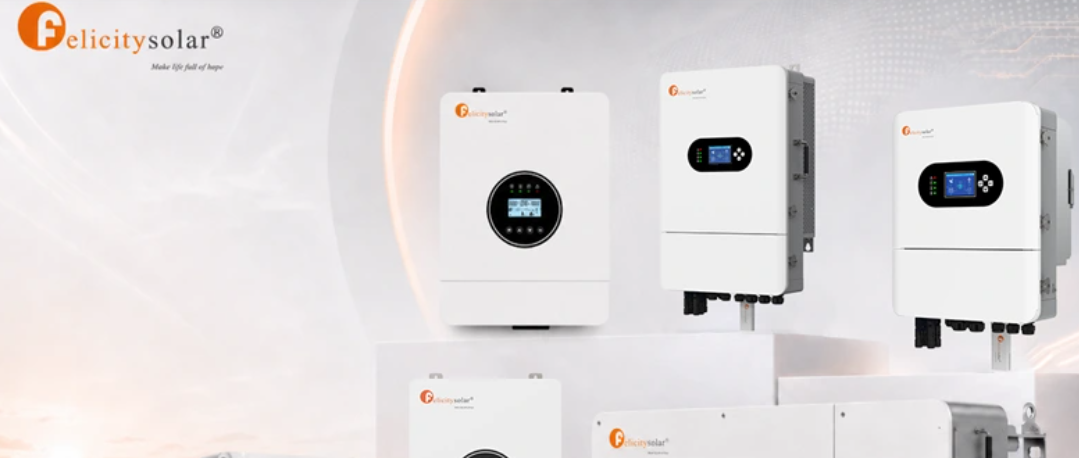
A balcony solar storage system may be relevant when researching equipment designed for compact residential energy applications. Its suitability should be confirmed using the manufacturer’s specifications and the conditions at the intended installation site.
Understand the Difference Between Power and Energy
Two important specifications are power and energy capacity. Power, measured in watts, describes how much electricity a device can supply or consume at a given moment. Energy, often measured in watt-hours or kilowatt-hours, describes how much electricity is used or stored over time.
A battery with a certain energy capacity may still be unable to operate a device if the device’s power requirement exceeds the system’s output limit. Similarly, a system that can power a device briefly may not have enough stored energy to operate it for several hours.
Residents should compare both the continuous output rating and any applicable surge rating with the requirements of their intended appliances.
Usable battery capacity is also important because the entire rated capacity may not be available for everyday use.
Decide Whether Battery Storage Is Necessary
A battery can store electricity for later use, but it adds cost and introduces additional technical considerations. Whether storage is worthwhile depends on when solar energy is generated and when electricity is needed.
If most energy consumption occurs during daylight hours, some households may be able to use solar generation directly, subject to the system’s design. If consumption takes place mainly in the evening, storage may be more relevant.
The battery’s capacity should match the intended purpose. A compact battery for communications equipment and lighting has different requirements from a system intended to support larger household appliances.
Residents should also consider conversion losses, operating limits, expected battery lifespan, and manufacturer-recommended charging conditions.
Confirm Installation Permission and Safety
Before installing solar panels or batteries in an apartment, check building management rules and local regulations. A balcony may be part of a shared structure, and external equipment may require approval.
Mounting arrangements must account for wind, weight, weather exposure, and the possibility of objects falling. Panels and batteries should not obstruct emergency exits, drainage, or shared access areas.
Electrical connections should follow applicable regulations and the equipment manufacturer’s instructions. Any connection to household wiring should use an approved method and be handled by a qualified professional where required.
Residents should never improvise electrical connections or bypass protective equipment to make a system operate.
Compare Products Beyond Their Advertised Capacity
When comparing systems, examine the technical documentation rather than relying on marketing claims alone.
Useful specifications include panel capacity, battery chemistry, usable energy, inverter output, charging limits, operating temperature, protective features, and warranty conditions. Compatibility between the solar panels, battery, inverter, and other components is essential.
The equipment should be suitable for the intended environment. Outdoor exposure, moisture, temperature changes, and available ventilation may influence the appropriate product choice.
Customer support and access to replacement components may also affect the long-term value of the purchase.
See Also : How to List Professional Skills Without Overdoing It
Estimate the Total Cost
The purchase price is only one part of the overall cost. Depending on the setup, expenses may include mounting equipment, wiring, approved installation, accessories, inspection, and future maintenance.
A realistic comparison should estimate how much electricity the system may produce under local conditions and how much of that energy the household can actually use.
Residents should avoid assuming that a small system will eliminate electricity bills. Its contribution may be limited by panel output, battery capacity, and household demand.
Improving energy efficiency can complement solar generation. Efficient lighting, reduced standby consumption, and sensible appliance use may help households obtain more value from a small setup.
Maintain the System Responsibly
Maintenance requirements vary by product. Residents should follow the manufacturer’s instructions for inspection, cleaning, ventilation, and operating conditions.
Visible damage, unusual heat, damaged cables, or other signs of an electrical problem should be assessed promptly by a qualified professional. Batteries should not be opened or modified by untrained users.
Keeping product manuals, purchase records, and warranty information makes future service easier.
Conclusion
A small solar and battery setup can be useful when it is designed around realistic energy needs and suitable installation conditions. Reviewing consumption, assessing sunlight, understanding system ratings, and confirming building permission are essential steps.
Careful planning helps households compare products on practical performance, safety, and long-term cost rather than relying on capacity figures alone.