Managing Difficult Ground Conditions With Modern Anchoring Methods
Construction projects often encounter ground conditions that make excavation, slope stabilization, and foundation work more complicated than expected. Loose soil, fractured rock, groundwater, and inconsistent geological layers can all affect the stability of a site. When these challenges are identified early, engineers can select appropriate reinforcement methods and reduce the likelihood of costly delays.
Ground anchoring is one of the techniques used to improve stability in challenging environments. Its effectiveness, however, depends on choosing suitable equipment, understanding the ground profile, and following an installation procedure designed for the specific project.
Understanding the Challenges Beneath the Surface
Ground conditions can vary significantly even within a relatively small construction site. One section may contain dense rock, while another consists of loose soil or weathered material. Such variations can influence drilling progress, anchor performance, and the amount of reinforcement required.
Water presents another challenge. Groundwater may weaken certain soils, complicate excavation, or affect the stability of drilled holes. In fractured rock, existing joints and voids can create unpredictable drilling conditions.
A preliminary geotechnical investigation helps engineers understand these factors before construction begins. Soil samples, borehole records, groundwater observations, and geological assessments can provide useful information for selecting an anchoring system.
Although site investigations cannot eliminate every uncertainty, they give project teams a stronger basis for making technical decisions.
How Ground Anchoring Supports Stability
Ground anchors transfer loads from a structure or unstable ground mass into a more suitable surrounding material. Depending on the application, they may be used to support retaining walls, stabilize excavations, reinforce slopes, or provide additional support in underground construction.
The anchor system must be selected according to the intended load, ground conditions, installation requirements, and design specifications. Engineers also need to consider corrosion protection, expected service life, and access to the work area.
Different anchoring systems have different strengths and limitations. A solution suitable for competent rock may not perform in the same way in loose or water-bearing soil. This is why project-specific design is more reliable than selecting equipment based on price alone.
The Role of Self-Drilling Anchor Systems
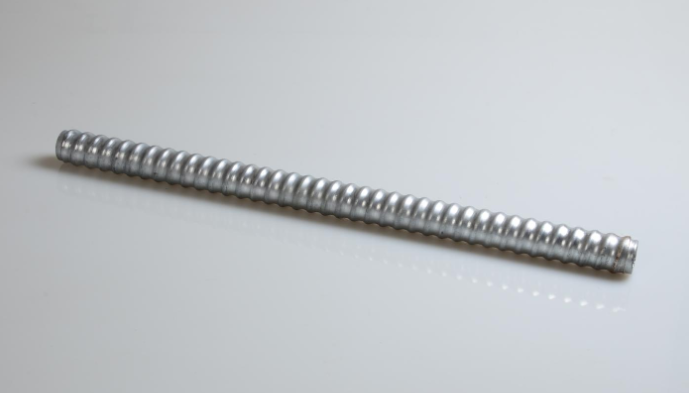
Self-drilling systems can be useful where conventional drilling methods face difficulties. In suitable applications, the drill string remains in place and becomes part of the installed reinforcement system. Grout may be introduced during installation, depending on the system design and site requirements.
A product category such as an IBO hollow bar may be considered when engineers are evaluating hollow-bar anchoring components for a particular project. The appropriate specification depends on the manufacturer’s technical documentation, required load capacity, ground conditions, and applicable engineering standards.
Self-drilling systems may reduce the need for separate casing operations in some ground conditions. Nevertheless, they are not a universal solution. The design team must determine whether the system is appropriate for the site’s geology, groundwater conditions, and structural requirements.
Installation Planning Makes a Difference
Even a well-selected anchoring system can perform poorly if installation is inconsistent. Before drilling starts, contractors should confirm the anchor locations, required drilling angles, design lengths, equipment access, and grouting procedures.
Operators should monitor drilling behavior and record relevant installation information. Unexpected changes in penetration rate, unusual grout consumption, or loss of drilling fluid may indicate changing ground conditions that need further investigation.
Grout quality is also important. The mix, placement procedure, and curing period should follow the approved design and product requirements. Where specified, installation records and testing help verify that the completed work meets the project’s acceptance criteria.
See Also: Fashion Leather vs. Riding Gear: What Your Jacket Is (and Isn’t) Built For
Quality Control and Long-Term Durability
Ground reinforcement is not complete when the anchor is installed. Inspection and verification are necessary to establish whether the work meets the design requirements.
Depending on the project, quality control may include grout records, installation logs, proof testing, load testing, and checks of exposed components. Engineers should determine the appropriate testing method and frequency before work begins.
Durability also deserves attention. Moisture, aggressive ground chemistry, and environmental exposure can contribute to corrosion. Protective measures must therefore match the expected service environment and intended design life.
Clear documentation makes future inspection and maintenance easier. It also helps project teams identify recurring installation issues and improve procedures on later phases of construction.
Coordinating Engineers and Contractors
Successful ground anchoring depends on cooperation between geotechnical engineers, structural designers, suppliers, and installation crews. Engineers define performance requirements, while contractors provide practical feedback about access, drilling conditions, and equipment limitations.
If actual site conditions differ from the assumptions in the original design, the team should review the situation before making changes. Substituting materials or altering installation procedures without approval may compromise performance.
Regular communication allows technical issues to be addressed early rather than after they have caused delays.
Conclusion
Difficult ground conditions require careful investigation, appropriate equipment, disciplined installation, and reliable quality control. Ground anchoring can provide valuable support for excavation, slope stabilization, and other construction applications when the system is correctly designed for the site.
By combining geotechnical information with sound engineering judgment and detailed installation records, project teams can make better decisions and build more dependable ground reinforcement systems.