Popular Jewelry Trends for Wedding and Festive Seasons
Wedding and festive seasons bring opportunities to experiment with traditional fashion, vibrant clothing, and meaningful accessories. Jewelry remains one of the most important parts of these celebrations because it can transform a simple ethnic outfit into a polished and memorable look.
While fashion trends change from season to season, traditional jewelry continues to maintain its appeal. Modern designers are finding new ways to present classic styles, giving people more options for combining cultural elements with contemporary fashion.
Understanding current jewelry trends can help shoppers select pieces that suit their outfits, occasions, and personal preferences.
The Continued Popularity of Traditional Jewelry
Traditional jewelry has remained relevant because it carries cultural meaning while offering timeless visual appeal. Many pieces have been worn for generations, particularly during weddings, religious celebrations, and festivals.
Today’s jewelry collections often reinterpret these classic designs rather than replacing them. This allows traditional styles to remain familiar while adapting to modern preferences.
For many people, wearing traditional jewelry during celebrations is also a way of connecting with their heritage. The combination of cultural significance and changing design trends has helped these accessories remain popular across generations.
Jhumkas Remain a Timeless Choice
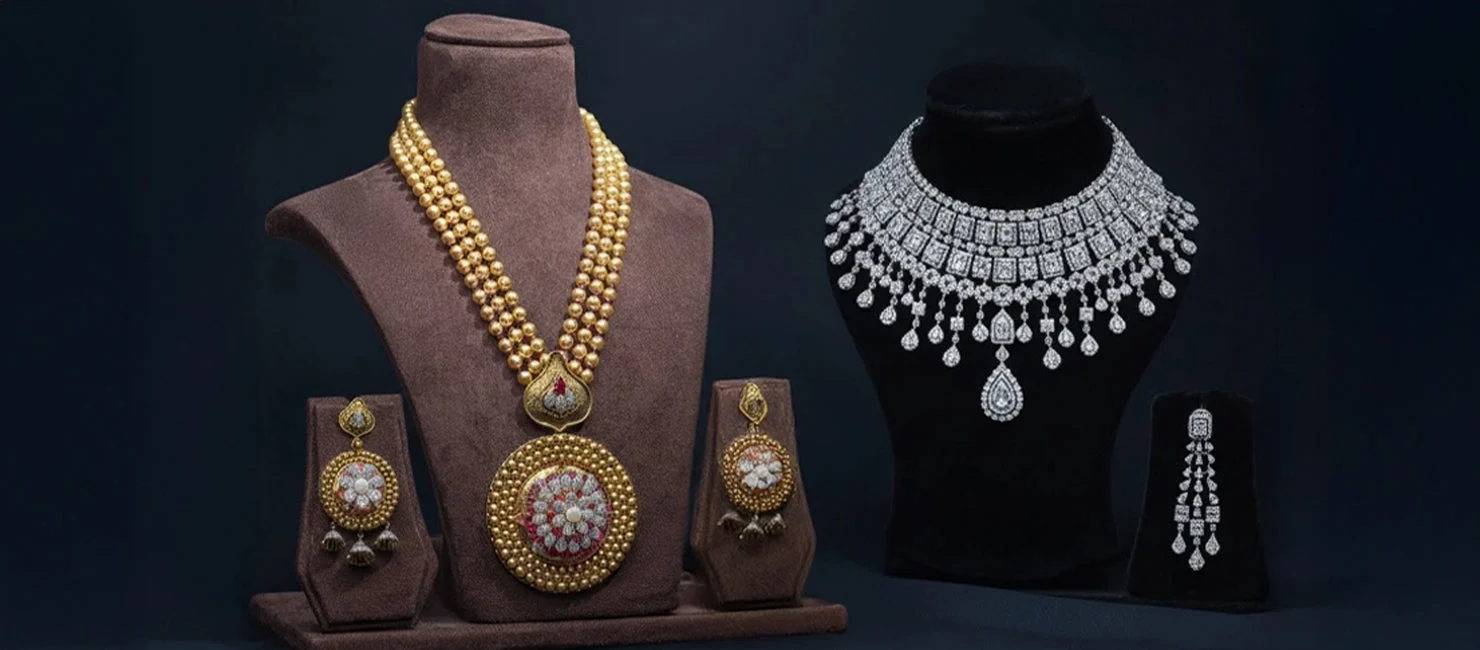
Among traditional earrings, Jhumkas continue to be one of the most recognizable styles. Their bell-shaped design creates movement and adds a distinctive ethnic touch to an outfit.
Jhumkas work particularly well during weddings and festive celebrations because they can complement a wide range of traditional clothing. They can be paired with sarees, lehengas, salwar suits, kurtas, and other ethnic outfits.
Modern versions are available in different sizes and decorative styles. Some feature intricate detailing, while others use simpler designs for a more understated appearance.
Choosing Jhumkas for Different Occasions
Large jhumkas can create a dramatic look for weddings and evening celebrations. Medium-sized designs may be more suitable for family gatherings or daytime festivities.
The choice should also depend on the outfit. Heavily embroidered clothing may pair better with balanced earrings, while simpler outfits can provide an opportunity to make the earrings the main focal point.
The Growing Interest in Headpieces
Traditional headpieces are another important trend during wedding seasons. They add a graceful finishing touch to ethnic and bridal outfits while highlighting cultural styling.
The Maang Tikka remains one of the most popular choices. Worn along the center parting of the hair, it draws attention toward the face and complements traditional bridal jewelry.
Modern versions range from delicate designs to elaborate statement pieces. This variety allows people to choose accessories according to the formality of the event and the overall styling of their outfit.
Statement Jewelry for Modern Weddings
Statement jewelry has become increasingly popular among people who want their accessories to become the focal point of an outfit.
Large earrings, layered necklaces, and detailed headpieces can create a dramatic appearance without requiring an overly complicated outfit.
The key to wearing statement jewelry successfully is balance. When one accessory is particularly bold, other pieces can remain relatively simple. This prevents the overall look from appearing crowded.
Statement pieces are especially effective for evening receptions, formal wedding ceremonies, and festive celebrations.
Layered Jewelry and Coordinated Sets
Layering allows people to combine multiple pieces while creating a cohesive appearance. Layered necklaces, stacked bangles, and coordinated earrings can add depth to traditional outfits.
The success of layered styling depends on choosing pieces that share common elements. Similar metal tones, patterns, or decorative details can help different accessories appear connected.
For bridal fashion, coordinated jewelry sets can make styling easier because the individual pieces are designed to complement one another.
Keeping Layered Looks Balanced
Although layering can create a rich appearance, too many elaborate pieces may compete for attention. Selecting one dominant accessory and using complementary pieces can produce a more refined result.
For example, a detailed necklace can be paired with medium-sized earrings and a simpler headpiece. Alternatively, statement earrings can become the main focus while the necklace remains understated.
Traditional Jewelry With Contemporary Outfits
One of the biggest changes in modern ethnic fashion is the combination of traditional jewelry with contemporary clothing.
People no longer need to wear a completely traditional outfit to incorporate cultural accessories. A pair of traditional earrings can add character to a modern dress, while a classic headpiece can create an unexpected contrast with contemporary ethnic clothing.
This approach allows individuals to express cultural identity in a way that feels personal and current.
See also: Book Your Bus to Melaka Online: The Ultimate Stress-Free Guide
Lightweight Jewelry for Long Celebrations
Wedding and festive events often involve several hours of socializing, ceremonies, photographs, and movement. As a result, lightweight jewelry has become an appealing option for many people.
Lightweight earrings and necklaces can provide the visual impact of traditional jewelry while being easier to wear for extended periods.
This trend is particularly useful for guests attending multiple events during a wedding season. Comfortable accessories allow people to enjoy celebrations without constantly adjusting their jewelry.
Jewelry Inspired by Cultural Heritage
Another important trend is the renewed interest in designs that reflect cultural heritage. Many consumers are looking for pieces that feel meaningful rather than simply following short-term fashion trends.
Traditional motifs, detailed craftsmanship, and recognizable cultural designs can give jewelry a stronger connection to heritage.
This interest also supports artisans and jewelry brands that preserve traditional techniques while adapting their designs for modern customers.
Choosing Jewelry According to the Wedding Event
Different wedding events call for different styling approaches. A daytime mehndi celebration may suit colorful and lightweight accessories, while an evening wedding may provide an opportunity for more elaborate jewelry.
For a formal ceremony, traditional pieces can create a classic appearance. A reception may allow more flexibility, especially when contemporary clothing is involved.
Considering the purpose and setting of each event can help prevent repetitive styling throughout a wedding season.
Coordinating Jewelry With Clothing
The color and design of an outfit should influence jewelry selection. Warm-colored clothing often works well with gold-toned accessories, while cooler shades can complement silver-toned designs.
However, contrast can also be effective. The goal is not necessarily to match every detail but to create a visually balanced combination.
The amount of embroidery should also be considered. Highly detailed clothing may benefit from carefully selected jewelry, while simple clothing can support more noticeable accessories.
Finding Jewelry for Modern Celebrations
As traditional jewelry continues to evolve, shoppers have more opportunities to find designs that suit both cultural occasions and contemporary fashion.
Jida Jewels offers jewelry inspired by South Asian traditions, providing options for wedding celebrations, festive events, and other special occasions.
For those looking to explore traditional and modern jewelry styles, offers collections that can complement different ethnic outfits and personal styling preferences.
Conclusion
Jewelry trends may change with each wedding and festive season, but traditional styles continue to remain important. Jhumkas, statement earrings, layered pieces, and the Maang Tikka all demonstrate how cultural accessories can adapt to modern fashion.
The best jewelry choices combine personal style, comfort, cultural significance, and the requirements of the occasion. By selecting pieces thoughtfully and balancing traditional designs with contemporary styling, anyone can create an elegant look that feels both current and timeless.