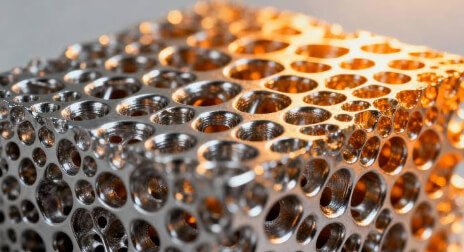
Understanding Advanced Foam Materials for Product Design and Manufacturing
Introduction
Material selection influences nearly every stage of product development, from initial design and manufacturing costs to durability and customer satisfaction. Industries such as automotive production, construction, packaging, electronics, and consumer goods increasingly rely on lightweight materials that can provide cushioning, insulation, and dependable performance without adding unnecessary bulk.
Polyethylene foam is widely used for these purposes because it combines a low weight with flexibility and useful protective properties. Through different manufacturing methods, its structure can be modified to suit applications that demand improved resilience, dimensional stability, or specific thermal characteristics.
Understanding the advantages and limitations of cross-linked foam helps engineers, purchasing teams, and product designers make informed cross linked polyethylene foam decisions. Rather than choosing materials based only on price or thickness, businesses should assess the working environment, mechanical requirements, manufacturing process, and expected service life of the finished product.
What Is Cross-Linked Polyethylene Foam?
Polyethylene is a thermoplastic polymer used in numerous everyday and industrial products. In foam form, it contains a cellular structure that reduces weight and provides cushioning. Cross-linking introduces connections between polymer chains, changing how the material responds to stress, heat, and deformation.
These molecular connections can improve the foam’s ability to maintain its structure under suitable operating conditions. The resulting material is available in different densities, thicknesses, hardness levels, and surface finishes to accommodate a wide range of applications.
Irradiated cross-linked polyethylene, commonly known as IXPE, is produced using irradiation to help create these connections within the polymer structure. Other cross-linking methods are also used in the foam industry, so not every cross-linked polyethylene product is manufactured in the same way.
The distinction matters because production methods influence the final material’s characteristics. Buyers should therefore review the specifications of the particular foam grade rather than assuming that all products offer identical performance.
Important Characteristics of Cross-Linked Foam
Lightweight Structure
Foam contains numerous cells that reduce the amount of solid polymer required to occupy a given volume. This lightweight structure can be valuable in applications where weight affects transportation, installation, or the performance of a finished product.
For packaging manufacturers, lighter protective inserts may help reduce the weight of shipments. In automotive and consumer products, lightweight components can support broader design objectives without compromising the necessary function of the material.
However, weight reduction should be balanced against mechanical requirements. A foam that is too soft or thin may not provide sufficient support, while an unnecessarily dense grade may increase costs without delivering meaningful benefits.
Cushioning and Energy Absorption
Foam materials can deform under pressure, helping distribute forces across a contact area. Depending on the grade and design, this behavior can reduce damage caused by impacts, vibration, or repeated handling.
Protective packaging is one example. Foam inserts can be shaped around delicate equipment to limit movement inside a container. Similar principles apply to selected automotive components, protective pads, and consumer products.
Cushioning performance depends on density, thickness, compression behavior, and the magnitude and duration of the applied force. Engineers should evaluate these variables together instead of using softness as the sole indicator of quality.
For products exposed to repeated compression, recovery characteristics are particularly important. Testing helps establish whether a foam retains its useful properties over the expected service period.
Dimensional Stability
Some applications require foam to retain its shape despite temperature changes, pressure, or repeated use. Cross-linking can influence the material’s dimensional behavior, although the actual result depends on its formulation and manufacturing process.
Dimensional stability matters when foam components must fit closely within a housing, packaging insert, or layered assembly. Significant changes in shape can create gaps, reduce cushioning effectiveness, or affect the appearance of the finished product.
Manufacturers should confirm performance using technical data and, where necessary, tests that reproduce the conditions expected during use.
Moisture Resistance
Closed-cell polyethylene foams generally resist water absorption better than many open-cell alternatives. This characteristic can make them suitable for products exposed to occasional moisture or humid environments.
Potential applications include protective liners, selected construction components, and interior products. Nevertheless, moisture resistance does not guarantee that an entire assembly will prevent water penetration. Joints, cut edges, adhesives, and installation details can all influence the result.
Where moisture exposure is a major concern, the complete product should be tested under realistic conditions.
Thermal Insulation
The cellular structure of foam can slow heat transfer, making suitable grades useful in insulation applications. Performance depends on the material’s composition, density, thickness, temperature range, and installation method.
Designers should assess the required thermal resistance and request supporting test data. In building and industrial applications, they should also consider fire performance and relevant regulatory requirements.
Foam should not be selected for high-temperature environments without confirming its operating limits. Different grades can respond differently to prolonged heat exposure.
Applications Across Multiple Industries
Automotive Manufacturing
Automotive manufacturers use foam in selected interior components, cushioning layers, vibration-control applications, and insulation systems. A lightweight material can support efficient component design while providing comfort and protection.
Potential uses include trim assemblies, door panels, flooring-related layers, and protective sections around equipment. Each application has distinct requirements, so a foam suitable for one component may not be appropriate for another.
Automotive buyers should check temperature resistance, dimensional stability, odor, emissions, and any applicable flammability specifications. Long-term durability should also be assessed when the component is likely to experience repeated pressure or vibration.
Protective and Industrial Packaging
Industrial packaging protects products during storage, handling, and transportation. Machinery components, electronic devices, instruments, and fragile goods may require inserts that prevent movement and distribute impact forces.
Foam can be cut into custom shapes to fit a product’s dimensions. This can improve positioning inside the package and reduce the need for excessive void-filling materials.
The correct grade depends on product weight, fragility, shipping conditions, and the type of impact expected. Prototype testing can help identify an appropriate combination of density, thickness, and geometry.
Construction and Building Products
Construction applications may use foam for insulation, cushioning, protective layers, and certain joint-related purposes. Its low weight can simplify handling, while its cellular structure can contribute to thermal performance.
Before using foam in a building assembly, project teams should confirm its suitability for the location. Fire regulations, temperature exposure, moisture conditions, and compatibility with surrounding materials all matter.
Installation quality is equally important. Poorly fitted sections, excessive compression, and unsealed gaps can reduce system performance even when the foam material itself meets the intended specification.
Electronics and Consumer Goods
Electronic devices and consumer products often require materials that protect components, reduce vibration, or provide a comfortable contact surface. Foam may be used in protective cases, equipment liners, product housings, and selected accessories.
In these applications, precision cutting and consistent thickness can be particularly important. Some designs also require adhesive backing or lamination with fabrics, films, or other materials.
Compatibility should be tested before production because adhesives and laminating processes may behave differently with different foam surfaces.
How to Choose the Right Material Specification
Selecting an appropriate foam begins with identifying what the material must accomplish.
Define the main function. Determine whether the priority is impact protection, insulation, vibration control, sealing, comfort, or a combination of requirements.
Specify the physical properties. Document the required thickness, density, hardness, dimensions, tolerances, and surface finish. These details help manufacturers recommend an appropriate grade.
Assess the operating environment. Consider temperature changes, humidity, chemicals, ultraviolet exposure, and repeated compression. Environmental conditions may affect long-term performance.
Check fabrication requirements. Determine whether the finished product needs die-cutting, lamination, adhesive backing, embossing, or custom shaping. Processing compatibility can influence both cost and manufacturing efficiency.
Request samples and technical information. Product samples, test reports, and technical data sheets help confirm whether the material meets the intended requirements. Testing should reflect actual working conditions whenever possible.
Businesses should also review supplier consistency and lead times. A material that performs well in an initial sample must continue to meet the same specifications throughout production.
Manufacturing Efficiency and Sustainability
Material efficiency depends partly on selecting the right grade and designing components to minimize unnecessary waste. Accurate cutting layouts, appropriate thicknesses, and optimized component dimensions can improve material utilization.
Manufacturers should also evaluate production scrap and investigate practical ways to reduce it. Cutting processes, lamination operations, and packaging design can all influence how much material is discarded.
End-of-life planning requires particular attention. Cross-linked polymers do not behave exactly like conventional thermoplastics during remelting, so they may not be suitable for standard recycling streams. Available recovery options depend on the specific material and local recycling infrastructure.
A responsible assessment should consider durability, manufacturing waste, transportation, energy use, and disposal or recovery routes. Longer service life may improve material efficiency, but the best option depends on the product’s full lifecycle and functional requirements.
See also: How to Advertise a Business on a Budget: Tips for Small Businesses
Frequently Asked Questions
1. What are the main benefits of cross-linked polyethylene foam?
Depending on the grade, the material can offer low weight, cushioning, resilience, moisture resistance, and thermal insulation. Its suitability depends on the required physical properties, environmental conditions, and intended application.
2. Is cross-linked polyethylene foam the same as IXPE foam?
Not exactly. IXPE is a type of cross-linked polyethylene foam made using irradiation. Other cross-linked polyethylene foams can be produced through different manufacturing methods. Buyers should check the production method and technical specifications when comparing products.
3. How can manufacturers determine whether a foam grade is suitable?
Manufacturers should define the required thickness, density, hardness, cushioning or insulation performance, and environmental resistance. Reviewing technical documentation and testing samples under realistic operating conditions can help verify suitability before full-scale production.
Conclusion
Cross-linked polyethylene foam is a versatile material for applications that require lightweight construction, cushioning, moisture resistance, or thermal insulation. Its potential uses extend across automotive manufacturing, packaging, construction, electronics, and consumer products.
The best results come from matching the material’s actual properties to the demands of the finished product. Careful evaluation of density, thickness, compression behavior, environmental exposure, and processing requirements helps businesses avoid unsuitable material choices.